BACKGROUND
In February 2019, TCTA received a directive to fast-track, fund, and implement the uMWP-1 raw water component. It was also tasked with developing the financial model for funding the project and facilitating the drafting and negotiation of water supply agreements between uMngeni-uThukela Water and the relevant Water Services Authorities. uMWP-1 aimed to address the water deficit in the Mgeni System, which serves as the primary water source for about six million residents and industries in the economic hubs of Durban and Pietermaritzburg in KwaZulu-Natal (KZN). This system’s deficit, identified since 2016, underscores the urgent need for additional water resources to support the region’s economic activity and the needs of its population. The KZN Coastal Metropolitan Reconciliation Strategy (2009), completed by the Department of Water and Sanitation (DWS), confirmed uMWP-1 as the most viable long-term solution to augment the Mgeni System. Initial studies undertaken by DWS in 1998 identified eight alternative schemes for water supply augmentation in the area. The uMWP-1 studies, which included both technical/engineering and environmental components, began in 2009. By 2014, the technical/engineering study affirmed the scheme’s feasibility.
PROJECT OVERVIEW
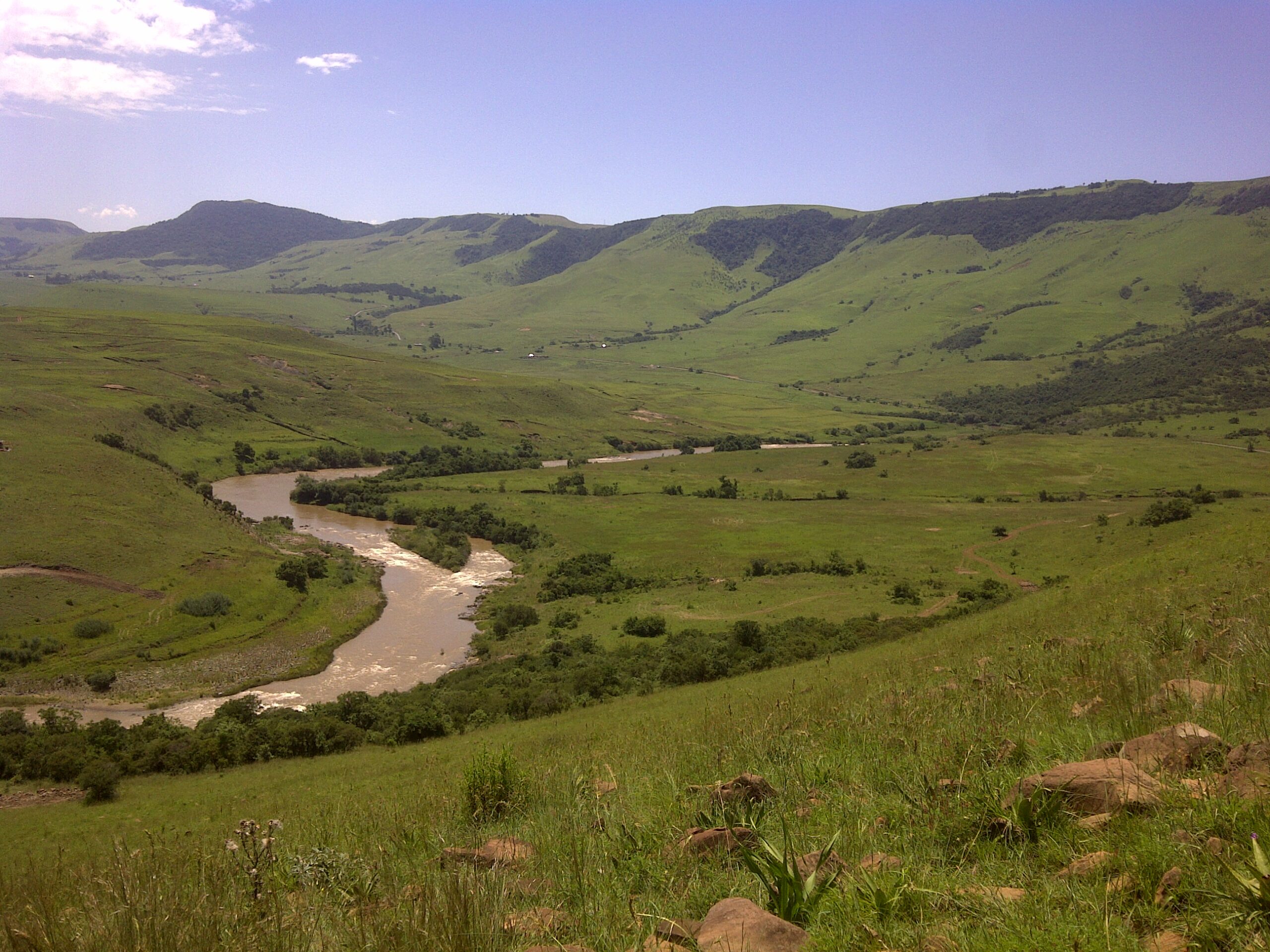
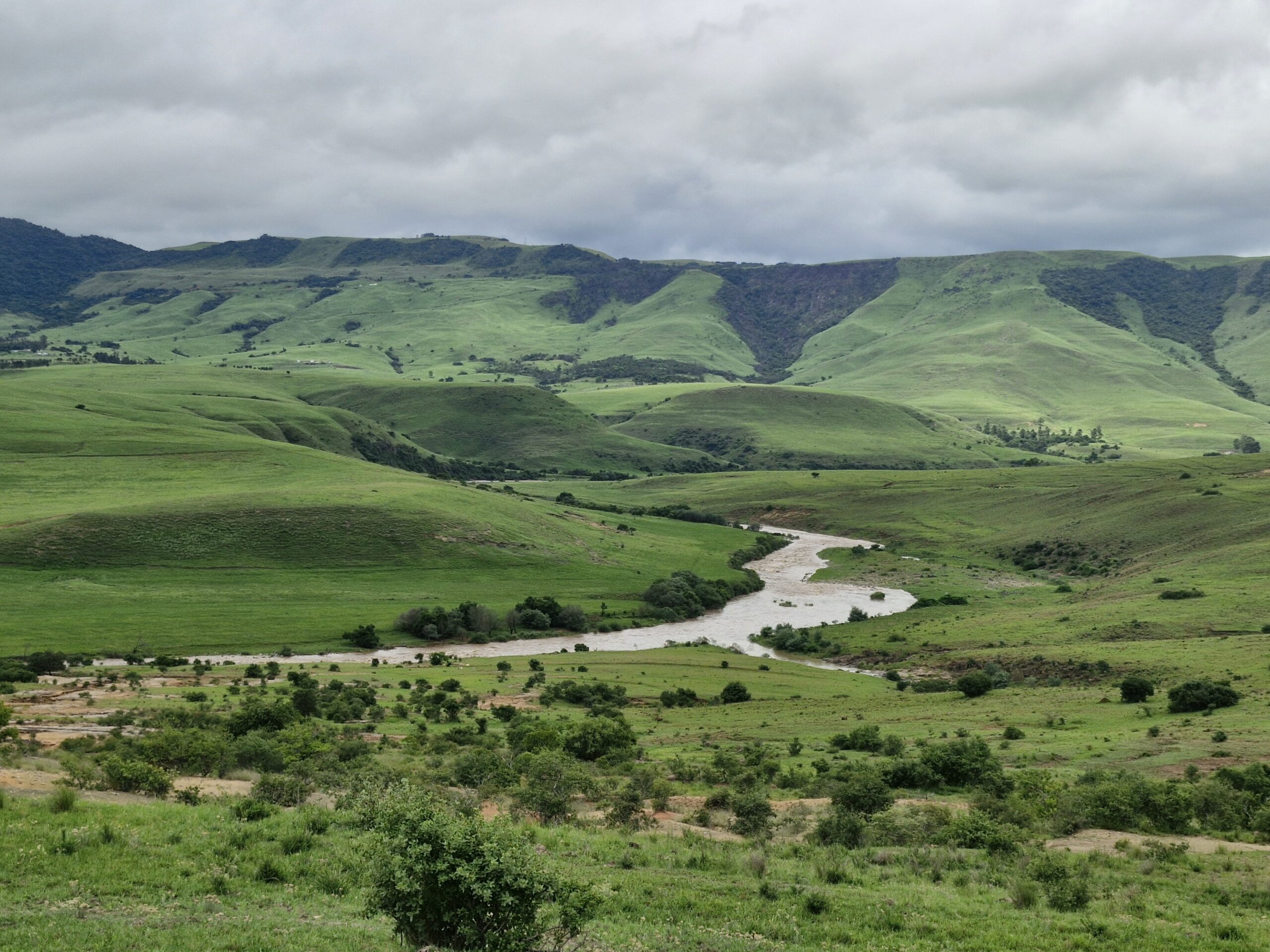
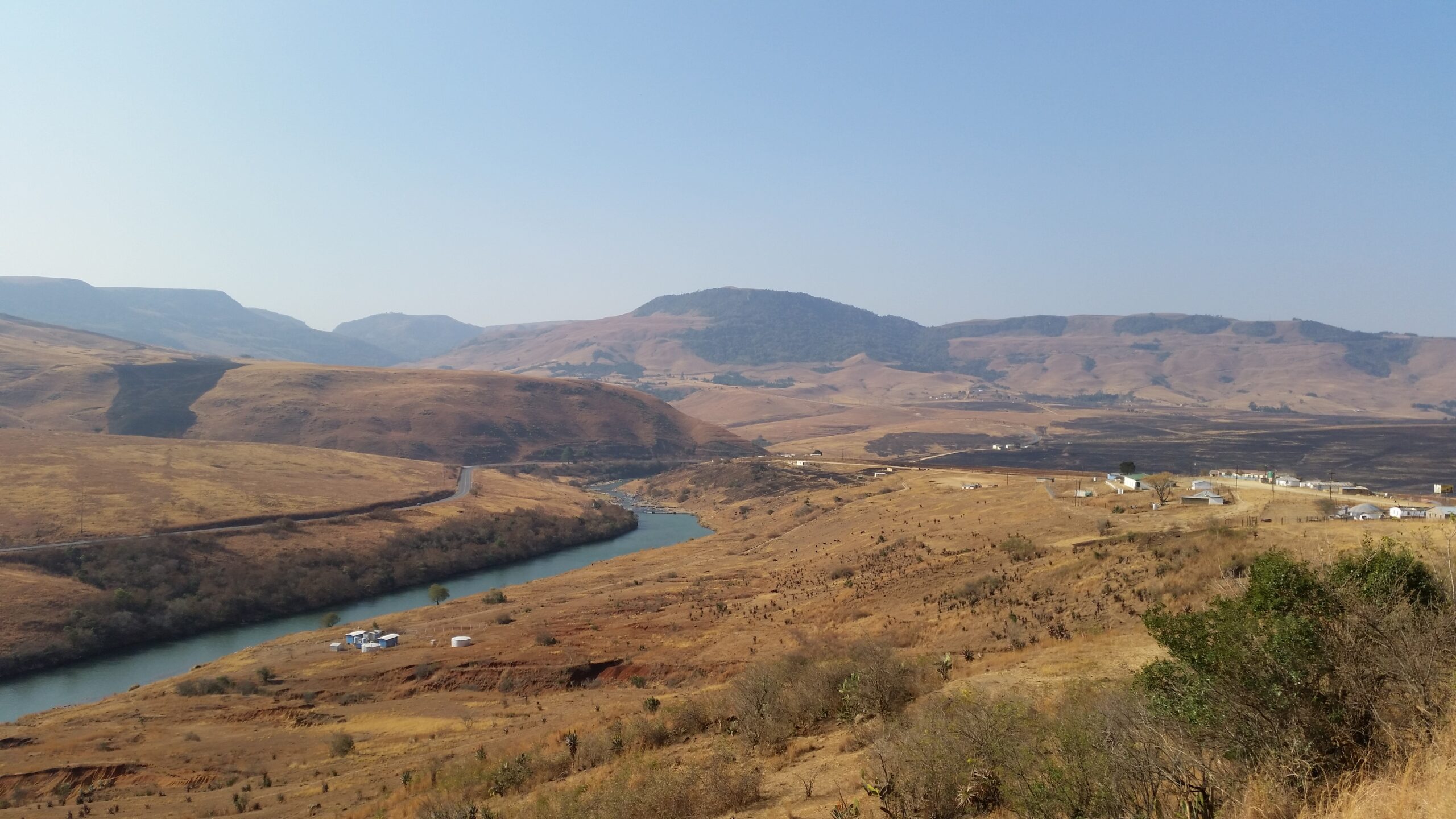
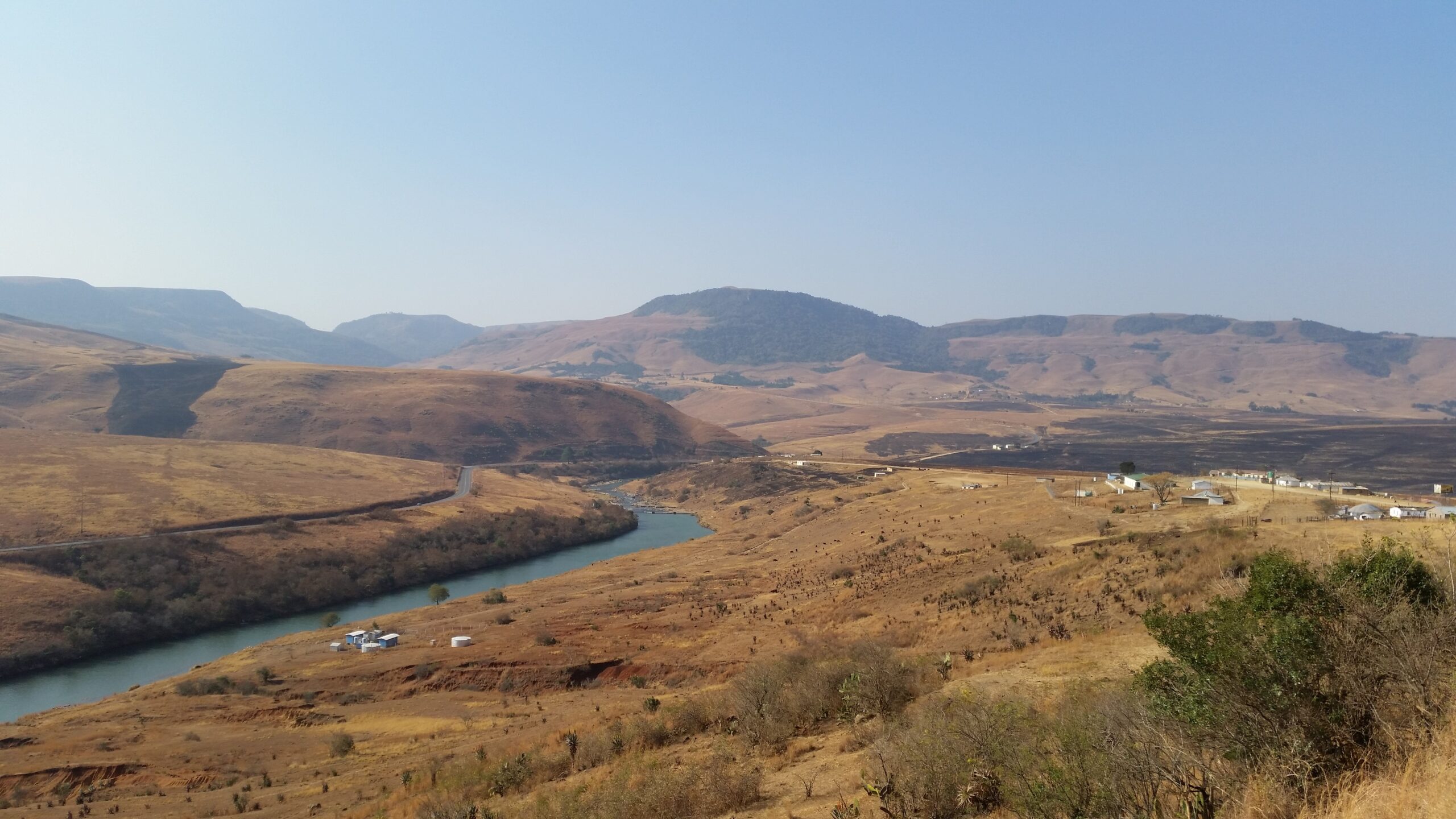
uMWP-1 targets the uMkhomazi River catchment, with efforts extending to the adjacent uMngeni and uMlaza Rivers. uMWP-1 aims to enhance the Mgeni Water Supply System. The system comprises four large dams on the Mgeni and Mooi rivers, a transfer scheme and bulk potable water distribution infrastructure servicing users in the uMngeni-uThukela Water area of supply. The uMWP-1 initiative is critical for ensuring water security through at least 2040, given the existing shortfall in the Mgeni System. The project will increase the Mgeni System yield from 394 to 608 million m3 per annum. The Minister of Water and Sanitation has appointed TCTA as the implementing agent for the raw water component and uMngeni-uThukela Water for the potable water segment and as the overall uMWP-1 operator.
INFRASTRUCTURE COMPONENTS
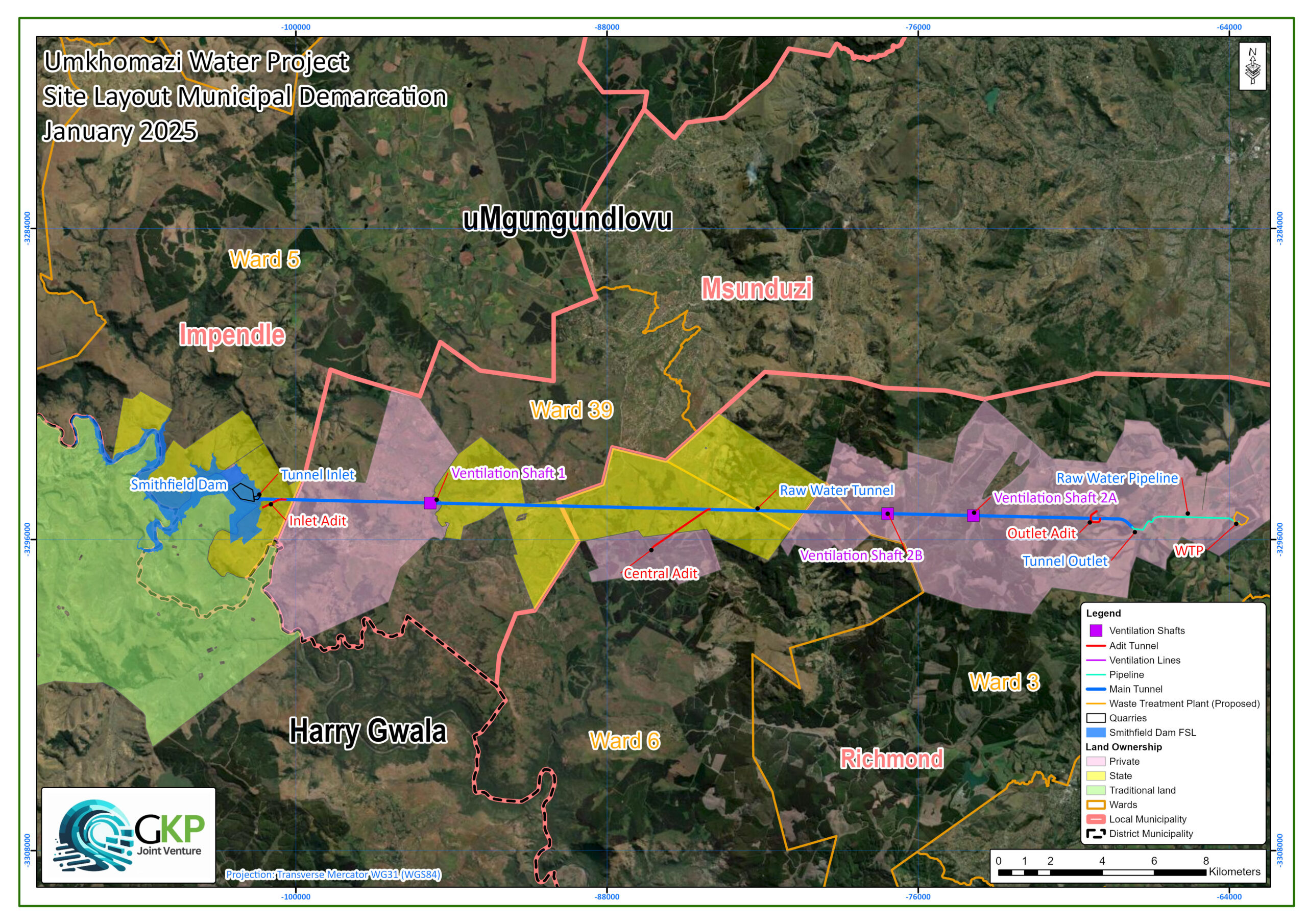
- The 81m-high dam at Smithfield, which will boast a storage capacity of 251 million m3, and the associated infrastructure on the uMkhomazi River near Bulwer.
- Water conveyance infrastructure, comprising a 33km, 3.5 m-diameter raw water tunnel from the Smithfield Dam reservoir to the uMlaza River Valley.
- A 5.1km, 2.6-m-diameter raw water pipeline from the outlet portal of the transfer tunnel to Baynesfield Water Treatment Works in the uMlazi River Valley.
SOCIO-ECONOMIC IMPACT
uMWP-1 will drive significant socio-economic change in both regional and local economies. This impact will be felt throughout its lifecycle—from the short-term construction phase to the long-term operational and refurbishment phases — generating direct, indirect, and induced economic benefits. The construction phase will see the most intense economic activity, particularly in the uMkhomazi Catchment area. This phase promises a substantial, albeit temporary, economic boost. While lasting approximately 60 months, it will not provide sustainable long-term benefits. In contrast, the 50-year operational phase offers sustained economic contributions. The project is projected to generate R86,661 million in additional production (new business sales) and increase the Gross Domestic Product by R30,305 million. Furthermore, uMWP-1 will create 4,280 direct jobs1 during construction. Of these, 110 permanent positions1 will be created per year throughout ongoing operation of the scheme, estimated to be 50 years. Over its lifespan, the project will thus create 9 670 direct jobs1, and support an estimated 114 177 job opportunities1 through indirect and induced economic activities.
FUNDING ARRANGEMENTS
The National Treasury has approved this project’s financing structure, ensuring a balance between user affordability and government support. The Budget Facility for Infrastructure is providing a 25% capital grant, reducing reliance on borrowed funds. Additionally, the Infrastructure Fund is offering a 25% interest-free loan, significantly lowering interest expenses. The remainder will be financed through commercial loans, with repayments covered by water tariffs – guaranteeing that the project’s costs are directly covered by its beneficiaries. The project cost is estimated at R23.20 billion.
TRANS-CALEDON TUNNEL AUTHORITY (TCTA)
Byls Bridge Office Park
Building 9
Corner of Olievenhoutsbosch & Jean Ave, Doringkloof, Centurion.
Tel: +27 12 683 1200
Fax: +27 12 683 1361
Email: info@tcta.co.za
www.tcta.co.za